
Best Amazon FBA Wholesale Course: What to Look for Before Enrolling
-
Posted by
 Asif
- On November 13, 2026
- 0 comments

Searching for the best Amazon FBA wholesale course usually brings up ranked lists, bold income claims, and promotional offers. But choosing the right program is not simply about finding the most popular course or the one with the most testimonials. It is about finding training that teaches you how to build and operate a real wholesale business.
Amazon FBA wholesale involves much more than finding products; you need to research products, identify legitimate suppliers, verify brand relationships, calculate profit margins, understand Amazon’s restrictions, manage purchase orders, and plan inventory replenishment. A course that skips these practical steps may leave you with information but little confidence about what to do next.
This guide does not rank courses or promise that one program will work for everyone. Instead, it explains what to look for before paying for Amazon wholesale training, how to compare programs, and which questions to ask before enrolling.
New to the business model? If you are still learning how the business model works, start with our
complete Amazon FBA wholesale guide. It explains the wholesale process and the main activities involved in building a business.
1. Understand What You Want to Learn Before Buying a Course
- Complete beginner: You need to understand the Amazon wholesale model, business setup, Seller Central, product research, and basic operating costs.
- Existing Amazon seller: You may need more advanced training in wholesale sourcing, supplier outreach, brand restrictions, and replenishment.
- Seller struggling with product research: You need to learn how to evaluate sales history, Buy Box competition, demand, fees, and profit margins.
- Seller struggling to find suppliers: You need practical guidance on locating distributors, verifying authorization, opening accounts, and negotiating terms.
- International entrepreneur: You need to understand how to operate a U.S. Amazon business remotely, including documentation, supplier communication, payments, and logistics.
2. Check Whether the Course Teaches Wholesale or Just General Amazon FBA
Not every Amazon FBA course teaches wholesale in depth. Some focus primarily on private label, retail arbitrage, online arbitrage, or building a new product brand. These models share some Amazon fundamentals, but their sourcing processes are different.
| Business Model | How It Works | Main Skills Required |
|---|---|---|
| Wholesale | Buy established products in bulk from legitimate suppliers and resell them | Supplier research, authorization, product analysis, purchasing, replenishment |
| Private Label | Sell products under your own brand | Product development, branding, manufacturing, listing optimization |
| Online Arbitrage | Buy discounted products from online retailers and resell them | Deal sourcing, price comparison, eligibility, fast purchasing |
| Retail Arbitrage | Buy discounted products from physical stores and resell them | Store sourcing, price checks, product restrictions, inventory management |
If your goal is to build an Amazon wholesale business, look for a course where wholesale is a central part of the curriculum—not simply one module among many.
It is also useful to understand who you are buying from. Distributors, wholesalers, and brands can play different roles in the supply chain, and their authorization relationships may vary.
Supplier Verification: Our guide to distributors vs. wholesalers vs. brands explains these supply chain differences and why supplier verification matters.
3. Use a 100-Point Scorecard to Evaluate Courses
A structured scorecard makes it easier to compare courses without relying on marketing language. Score each category based on the information the provider actually gives you.
| Evaluation Factor | Weight | What to Examine |
|---|---|---|
| Curriculum depth | 25 points | Does it cover the complete wholesale process from setup to replenishment? |
| Instructor experience | 15 points | Does the instructor have relevant, verifiable wholesale experience in the U.S. marketplace? |
| Practical implementation | 15 points | Are there real demonstrations, exercises, and workflows (not just slides)? |
| Mentorship and support | 10 points | Is support clearly defined, accessible, and specified in writing? |
| Tools and resources | 10 points | Are useful templates, software demonstrations, and resources included? |
| Student feedback | 10 points | Are reviews detailed, credible, and independently verifiable outside the sales page? |
| Pricing and terms | 10 points | Are the total costs, payment terms, and refund conditions clear and transparent? |
| Business fit | 5 points | Does the program match your experience, location, budget, and goals? |
| Total Score | 100 points | Comprehensive objective evaluation benchmark |
Use the following scale for each category:
- 0–2: Little information or no meaningful evidence.
- 3–5: Some relevant content, but important details are missing.
- 6–8: Clear information and useful supporting evidence.
- 9–10: Detailed, practical, and well-supported information.
For categories with a different maximum weight, apply the same proportional approach. For example, a curriculum score of 8 out of 10 would receive 20 out of 25 points.
How to Interpret Your Score:
80–100 Points
Strong Match: Strong alignment based on reviewed information. Still verify written refund and support terms before enrolling.
60–79 Points
Potentially Suitable: Proceed with due diligence. Investigate weaker areas (e.g. support limits or lack of supplier vetting detail).
Below 60 Points
Significant Gaps: Substantial missing elements make the course unsuitable for building a compliant, scalable wholesale business.
Disclaimer: This is an evaluation framework, not an independent rating of any specific provider. A high score does not guarantee business success, supplier acceptance, Amazon approval, or profitability.
4. Audit the Curriculum Against the Complete Wholesale Workflow
A useful Amazon FBA wholesale course should teach the process from initial setup through ongoing inventory management. Do not judge a program only by the number of videos or modules. Examine what each lesson actually teaches.
Use this curriculum checklist across the 5 essential phases:
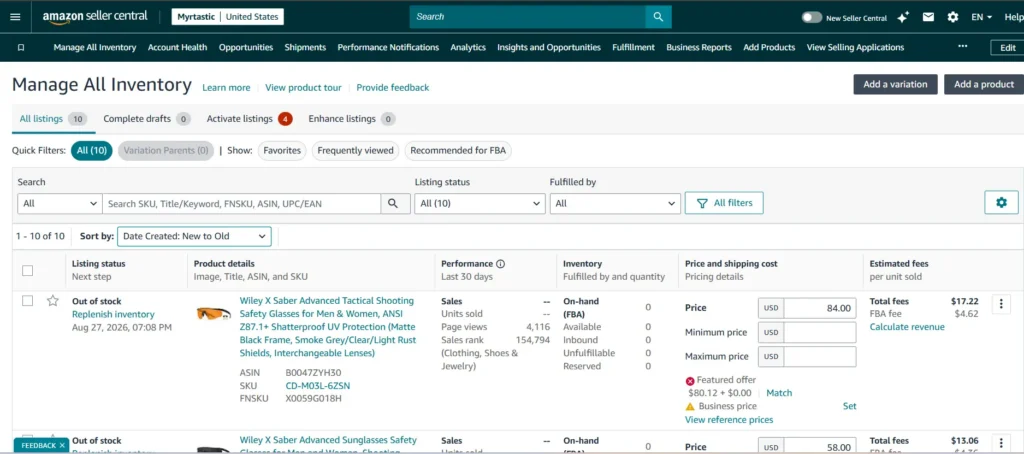
1. Business Setup and Amazon Seller Central
The course should explain:
- How the Amazon wholesale model works.
- What business setup and documentation may be required (LLC, EIN, resale certificates).
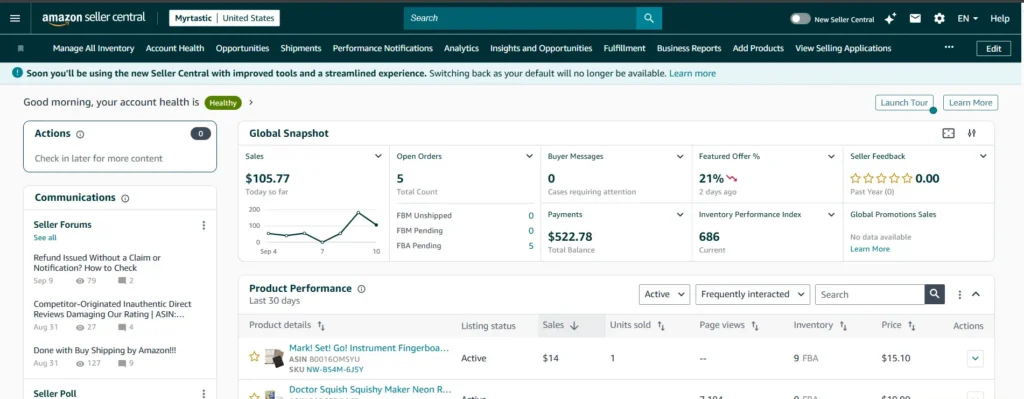
- How to understand and navigate Seller Central.
- How to monitor account health, inventory levels, reports, and seller settings.
- Which Amazon policies and restrictions sellers need to understand.
2. Product Research and Analysis
Look for lessons covering:
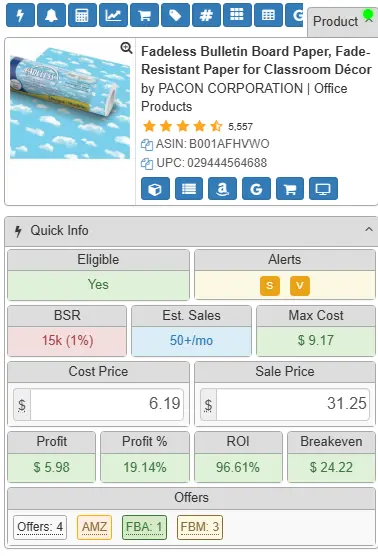
- How to identify products with consistent, verified customer demand.
- How to analyze sales history and historical price fluctuations using Keepa.
- How to evaluate Buy Box competition and rotation patterns.
- How to estimate sales velocity accurately.
- How to calculate fees, profit, ROI, and net margins.
- How to identify and avoid products with excessive price wars, IP complaints, or unstable pricing.
3. Supplier Research and Outreach
A wholesale course should explain how to:
- Find legitimate U.S. wholesale suppliers and brand distributors.
- Identify distributors and brand representatives.
- Verify supplier business details and brand relationships.
- Prepare business information for wholesale account applications.
- Write professional supplier outreach emails and conduct phone inquiries.
- Understand minimum order quantities (MOQs), payment terms, and shipping conditions.
4. Brand and Category Approval (Ungating)
The course should explain:
- How to check whether an account can sell a product in Seller Central before buying.
- How to identify restricted categories, hazmat limitations, and brand gating.
- What documentation Amazon requests during application reviews.
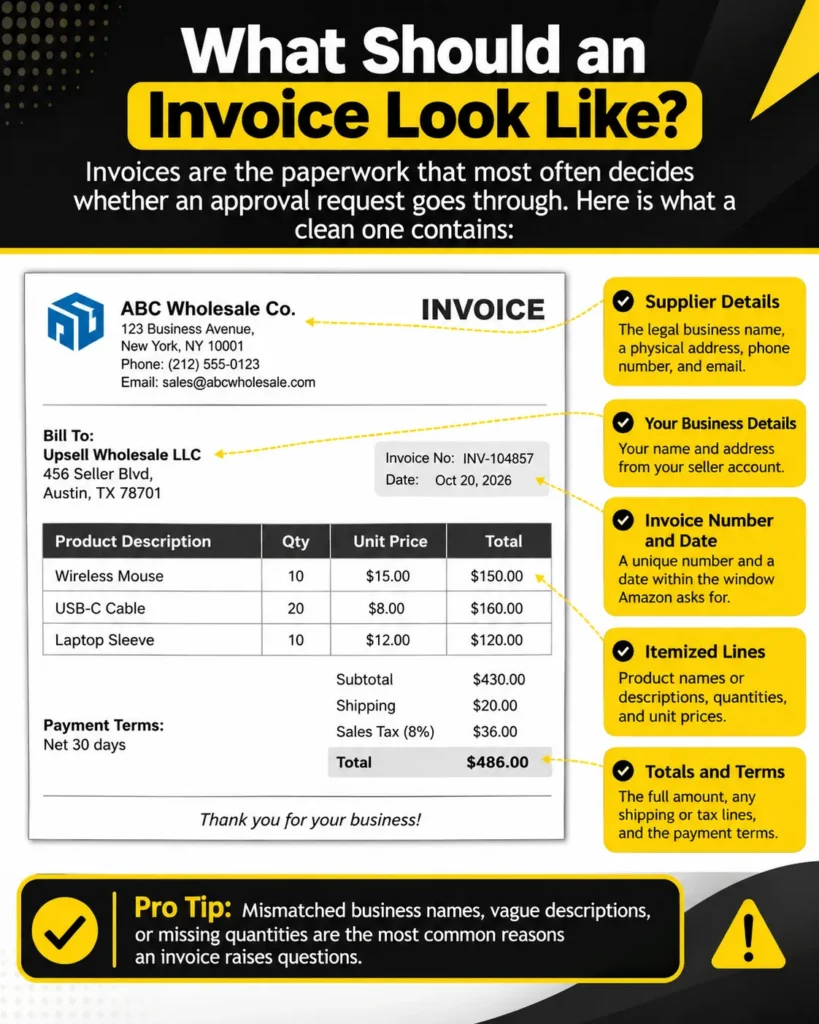
- How to inspect supplier commercial invoices before submitting an application.
- What to do when an approval request is rejected or flagged for verification.
5. Purchasing, Shipping, and Replenishment
The curriculum should also cover:
- How to prepare and review purchase orders (POs).
- How to verify supplier invoices against delivered shipments.
- How to calculate landed costs (including prep, pallets, and shipping).
- How to prepare inventory for FBA (polybags, FNSKU barcodes, carton labels).
- How to create inbound shipments in Seller Central (Send to Amazon workflow).
- How to monitor stock levels and plan timely inventory reorders.
5. Test the Quality of the Supplier Training
Supplier research is one of the most important skills in Amazon wholesale. A list of supplier names is not the same as knowing how to evaluate and work with those suppliers.
Before enrolling, check whether the course teaches a repeatable supplier research process. A useful supplier training module should explain:
- Where to find suppliers: Learn how to identify distributors, wholesalers, and brand-direct opportunities through directories, trade shows, and brand sites.
- How to verify legitimacy: Check business details, physical addresses, state corporation registries, contact information, and brand distribution agreements.
- How to understand authorization: Do not assume that every business describing itself as a distributor is authorized for every brand it catalogs.
- How to approach suppliers: Learn how to write professional emails, make introductory calls, and present your business professionally.
- How to evaluate account terms: Understand opening orders, minimum quantities, net terms, shipping costs, and inventory availability.
- How to assess documentation: Check whether the supplier provides clean, itemized commercial invoices that satisfy Amazon’s strict compliance criteria.
- How to build long-term relationships: Learn how to communicate professionally, place repeat orders, and manage supplier expectations over time.
Red Flag: Be cautious if a course promises guaranteed access to profitable suppliers or suggests that receiving a supplier list automatically gives you permission to sell every product on Amazon.
For a more detailed explanation of supplier roles and verification, read Distributor vs. Wholesaler vs. Brand: What Amazon FBA Sellers Need to Know.
6. Check Whether the Course Teaches Real Profit and Margin Calculations
Finding a product with a low wholesale price does not automatically make it profitable. A course should teach you how to calculate the full cost of purchasing and selling an item.
For example, consider a hypothetical product:
| Cost or Revenue Item | Amount (USD) |
|---|---|
| Amazon selling price | $40.00 |
| Wholesale purchase cost | $20.00 |
| Estimated Amazon fees (referral and fulfillment) | $9.00 |
| Inbound shipping and preparation | $2.50 |
| Other estimated costs (storage, returns, and similar) | $2.50 |
| Estimated profit per unit | $6.00 |
The Calculation:
Estimated Profit = Selling Price − Product Cost − Amazon Fees − Shipping/Prep − Other Costs
In this example: $40.00 − $20.00 − $9.00 − $2.50 − $2.50 = $6.00 per unit
Return on Investment (ROI):
ROI = (Profit ÷ Product Cost) × 100 = ($6.00 ÷ $20.00) × 100 = 30% ROI
These figures are illustrative, not a promise of actual results. Many products will earn less than this, and some will not be profitable at all. Real costs vary with product size, weight, category, fulfillment method, storage, returns, shipping, and other expenses.
A good course should teach you to check:
- Amazon referral and fulfillment fees.
- Product purchase cost.
- Shipping and preparation expenses.
- Storage and removal costs where applicable.
- Return and damaged-inventory risk.
- Price fluctuations and Buy Box competition.
- Net profit and return on investment.
It should also explain why revenue, gross margin, net profit, and cash flow are not interchangeable.
Working Capital Planning: For a broader look at the capital required to operate the business, read Amazon Seller Cost for FBA Wholesale: How Much Money Do You Need to Start?.
7. Look for Practical Training on Amazon Gating and Ungating
Brand and category restrictions can prevent sellers from listing products even when they have found a supplier and calculated a potential profit.
A wholesale course should explain how to check eligibility before purchasing inventory. It should also teach the documentation process rather than simply promising that students will get approved.
Look for training on:
- Checking restrictions in Seller Central before buying stock.
- Understanding brand-level and category-level approval requirements.
- Reviewing Amazon’s current invoice requirements (10+ units, within 180 days, matching entity).
- Matching business information on invoices with seller account details.
- Understanding purchase quantity and invoice-date requirements.
- Submitting documents through the correct Amazon application process.
- Responding to rejections and correcting documentation issues.
Critical Rule: Amazon makes the final approval decision. A supplier invoice, letter of authorization, or course lesson cannot guarantee that a brand or category will be approved.
8. Verify the Instructor's Wholesale Experience
A course may have a professional website, a large student community, and polished videos. Those things do not automatically prove that the instructor understands the day-to-day work of an Amazon wholesale business.
Look for evidence of relevant experience. Ask yourself and the instructor:
- Has the instructor operated an active Amazon wholesale business?
- Can they explain how they find and verify suppliers?
- Do they understand wholesale account requirements and purchasing terms?
- Can they demonstrate live product research and profit calculations?
- Do they understand invoices, eligibility, FBA shipments, and replenishment?
- Are their examples current and relevant to the U.S. marketplace?
An instructor with real-world experience should be able to explain not only what to do but also why a particular decision makes sense and what can go wrong.
If a provider makes claims about student numbers, revenue, or business results, ask how those claims are supported. Treat testimonials as individual experiences rather than typical outcomes.
9. Evaluate Student Reviews and Success Stories Carefully
Reviews can help you understand the student experience, but they should not be the only reason you choose a course.
Look for detailed feedback that explains what the student learned, which parts of the course were useful, and whether the promised support was delivered.
Consider the following criteria:
- Specificity: Does the review explain what the student actually learned, or is it generic praise?
- Relevance: Is the reviewer discussing Amazon wholesale rather than a different business model like private label or dropshipping?
- Recency: Is the feedback recent enough to reflect the current course curriculum and Amazon’s latest policies?
- Independence: Can you find feedback outside the provider’s own website (e.g. Reddit, Trustpilot, independent seller forums)?
- Balance: Are there realistic comments about challenges as well as positive experiences?
Revenue Screenshots: Be especially careful with screenshots showing revenue or sales figures. Revenue does not establish profit, and one student’s result does not predict what another student will achieve.
If possible, look for recent students in independent places, such as public seller communities, LinkedIn, or third-party review platforms, and ask about the curriculum, instructor access, support response times, and practical usefulness of the training. Keep in mind that individual experiences vary and are not typical outcomes.
10. Understand What Mentorship and Support Actually Include
Some courses offer recorded lessons only. Others advertise live training, group calls, private communities, one-to-one mentorship, or account-management services.
These benefits can be valuable, but the exact wording matters. Before enrolling, find out:
- Is support provided by the instructor or a separate junior support team?
- Is it one-to-one or group-based?
- How long does support last (30 days, 90 days, lifetime)?
- Are there limits on the number of questions or review sessions?
- Does support include help with Seller Central navigation and account setup?
- Are live sessions recorded if you cannot attend?
Do not assume that access to a private group means personal mentorship. Similarly, a three-month support offer is not necessarily the same as three months of unlimited one-to-one coaching. Ask the provider to explain the exact support arrangement in writing.
11. Check Whether the Course Includes Useful Tools and Templates
Tools do not replace sound business decisions, but they can help sellers organize research and evaluate opportunities efficiently.
| Tool or Resource | How It Helps in Wholesale Operations |
|---|---|
| Keepa | Reviews historical price charts, sales-rank trends, and Buy Box rotation data over 30, 90, and 365 days |
| SellerAmp (SAS) | Helps analyze on-page product data, estimated sales velocity, and net profitability |
| Amazon Seller Central | Manages listings, inventory health, fee previews, and inbound FBA shipment creation |
| Profit Calculator | Estimates landed unit cost, referral fees, fulfillment charges, returns, and expected ROI |
| Supplier Outreach Templates | Provides professional scripts and email frameworks for opening wholesale accounts |
| Purchase Order (PO) Templates | Standardizes purchasing documents, SKU quantities, and payment terms |
| Inventory Trackers | Monitors active stock, lead times, sales run-rates, and replenishment schedules |
Check whether the course actually demonstrates how to use these tools on real products, rather than just listing them. Also confirm whether templates are editable, current, and explained during the training.
A course should teach you how to interpret the information these tools provide. Software cannot independently verify supplier authorization, guarantee Amazon approval, or ensure that a product will remain profitable.
12. Understand What Happens After You Complete the Course
Course completion is not the same as running a functioning wholesale business.
Before enrolling, ask what happens when you finish the lessons. Will you have access to the materials later? Can you revisit updated modules? Is there continuing support? Are there additional fees for consultations or account management?
You should also understand what you are expected to do independently. After completing a useful wholesale program, you should be better prepared to:
- Research products and evaluate demand independently.
- Identify and approach potential suppliers professionally.
- Review supplier terms and documentation.
- Calculate landed costs, profit, and ROI.
- Check product eligibility before placing inventory orders.
- Place and manage purchase orders.
- Prepare inventory for Amazon FBA compliance.
- Monitor stock turnover and plan replenishment.
Goal of Training: The goal of training is to develop skills and a repeatable process—not to create dependence on a course provider for every business decision.
13. Calculate the Total Cost Before You Enroll
The advertised course price is only one part of the investment. You may also need to pay for software, Amazon selling fees, business registration, inventory, shipping, preparation, and other operating expenses.
Create a complete cost estimate before committing:
| Expense Item | What to Check |
|---|---|
| Course tuition | One-time payment or recurring subscription fee |
| Payment plan | Total cost across all installments (note any financing surcharges) |
| Amazon selling plan | Current monthly Professional Selling account fee ($39.99/mo) |
| Product inventory | Opening order budget and working capital reserved for reorders |
| Software subscriptions | Essential research tools (Keepa, SellerAmp, repricer subscriptions) |
| Shipping and preparation | Inbound supplier freight, third-party prep center fees, and pallet costs |
| Business expenses | LLC registration, registered agent, business bank account, resale certificate |
| Additional support | Optional consultations, ungating assistance, or account-management fees |
Capital Preservation: Do not use all your available capital on course tuition. You still need enough money to purchase inventory and manage operating expenses.
There is no universal starting budget that works for every seller. Your required capital depends on the products you choose, supplier minimums, shipping arrangements, and the pace at which you plan to grow.
14. Read the Refund Policy and Fine Print
Before making a payment, read the provider’s Terms and Conditions carefully. Do not rely only on a salesperson’s explanation or a verbal promise.
Check the fine print for:
- Whether cancellation is allowed before the program starts.
- What happens after training or services have begun.
- Whether delivered materials or completed services are refundable.
- Whether missed sessions qualify for rescheduling.
- Whether payment plans have separate conditions or binding terms.
- Whether software subscriptions or third-party services are excluded.
- How refund requests must be submitted (email, formal portal, deadline window).
- Whether support or account-management services have separate terms.
Example of Transparent Terms: The Upsell Wholesale Seller Academy Cancellation & Refund Policy explains that refund eligibility depends on factors such as when cancellation is requested, whether the program has started, and which materials or services have already been provided. It clearly states that the program does not guarantee Amazon approval, supplier acceptance, product sales, revenue, profit, or a particular return on investment.
Read the full policy and confirm that you understand how it applies to the package you are considering. Your rights under applicable consumer-protection laws may also apply.
15. Watch Out for Common Mistakes When Buying an Amazon Wholesale Course
Avoid these common mistakes when comparing training programs:
- Choosing based on income promises
Claims about guaranteed profits, rapid success, or fixed returns should be treated cautiously. No course controls Amazon’s decisions, market demand, or supplier terms.
- Confusing general FBA with wholesale
A program may teach general Amazon basics without explaining authorized wholesale sourcing, commercial invoice verification, and brand replenishment.
- Judging only by video count
A large number of videos does not necessarily mean the course covers the complete wholesale workflow or current compliance rules.
- Assuming supplier lists guarantee sales
A list of contacts does not mean those suppliers will approve your business, offer favorable pricing, or sell gated inventory you can list.
- Overlooking operational expenses
Tuition is separate from inventory capital, software fees, Amazon subscriptions, shipping, and prep costs.
- Skipping the refund policy
Always understand the cancellation, cooling-off period, and refund conditions in writing before submitting payment.
- Buying before understanding the model
Look for specific, recent, and independently verifiable feedback across third-party seller communities rather than curated marketing blurbs.
- Buying before understanding the model
Learn the fundamentals first through free resources so you can judge whether the paid course fills a genuine knowledge gap.
16. Compare Course Providers Before Making a Decision
Once you understand what to look for, compare providers using the same criteria. Do not assume that a course is suitable simply because it is popular or expensive.
When comparing providers, examine:
- How much of the curriculum is specifically about wholesale.
- Whether supplier research and outreach are taught in detail.
- Whether practical demonstrations are included.
- What mentorship or support is actually provided.
- The full cost of tuition and additional services.
- The refund policy and access conditions.
- Whether the course matches your experience and business goals.
Side-by-Side Comparison: You can review our 10 Best Amazon FBA Courses for Wholesale Sellers in 2026 for a broader comparison of available training options.
A broad Amazon FBA course may suit someone who is still exploring different business models. A specialist wholesale program may be more relevant to someone who already knows they want to source established products from suppliers. The right choice depends on the skills you need, the quality of the training, and the total investment involved.
17. What to Know About Upsell Wholesale Seller Academy
Upsell Wholesale Seller Academy is one option to consider if your main objective is learning the U.S. Amazon wholesale model.
Its public curriculum describes a nine-module learning path covering:
- Introduction to Amazon wholesale: Business models, terminology, setup.
- Navigating Amazon Seller Central: Account health, catalog, reports, fees.
- Product research: Keepa, SellerAmp, demand metrics, Buy Box rotation.
- Supplier research: Identifying distributors, verifying authorization.
- Supplier outreach: Applications, introductory scripts, negotiation.
- Brand and category ungating: Invoice compliance and approvals.
- Purchase orders: Landed cost, PO prep, unit sizing.
- Shipping inventory to Amazon: Send to Amazon, prep, labelling.
- Scaling a wholesale business: Replenishment, cash flow, team management.
The academy also advertises practical demonstrations, supplier resources, and training involving tools such as Keepa and SellerAmp.
These are provider-advertised features, so review the official Seller Academy curriculum and confirm the current package, price, support scope, access conditions, and eligibility before enrolling.
Supplier-Side Perspective: One important consideration is that Upsell Wholesale also operates as a wholesale supplier and Amazon service provider. That supplier-side experience may offer useful context about sourcing and distribution, but readers should evaluate its training and commercial services separately, just as they would with any course provider.
No training program can guarantee supplier acceptance, Amazon approval, sales, or profits. Make your decision based on the written offer and whether the curriculum meets your needs.
18. A Practical 90-Day Plan After Enrolling
A course becomes useful when you apply what you learn. A simple 90-day plan can help you turn lessons into practical business activities.
| Period | Main Focus | Actionable Business Activities |
|---|---|---|
| Days 1–15 | Learn fundamentals | Understand wholesale, review Seller Central, organize business documents (LLC, EIN, resale cert), and learn basic Amazon policies |
| Days 16–30 | Product research | Study product demand, sales history, competition, fees, and run profit/ROI calculations using Keepa and SellerAmp |
| Days 31–45 | Supplier research | Build a supplier prospect list, verify business details, and prepare outreach communication |
| Days 46–60 | Accounts & eligibility | Contact suppliers, review account requirements, check product restrictions in Seller Central, and evaluate sample commercial invoices |
| Days 61–75 | First purchasing | Compare opportunities, calculate landed costs, review minimum orders, and prepare first test purchase orders |
| Days 76–90 | Fulfillment & review | Prepare eligible inventory for FBA, monitor results, review cash flow, and plan inventory replenishment |
The timeline is a planning framework, not a guarantee that you will open supplier accounts, receive Amazon approvals, or become profitable within 90 days.
Realistic Timelines: For a more detailed discussion of the time involved in starting the business, read Amazon FBA Wholesale in the USA: How Long Does It Take to Start?.
19. When You Should Not Buy an Amazon Wholesale Course
A paid course is not essential for every seller. You may want to wait before enrolling if:
- You have not yet learned the basic Amazon FBA model.
- You are unsure whether wholesale is the right business model for your goals.
- You do not have enough money for inventory and operating expenses after paying tuition.
- The course does not clearly explain what is included in the curriculum.
- The provider makes unrealistic income or guaranteed approval promises.
- You cannot verify the instructor’s relevant, active experience.
- The refund policy or payment terms are unclear or restrictive.
You can begin with free educational resources. Amazon Seller University provides official training on selling through Amazon. You can also learn from relevant educational creators and practical demonstrations. Our guide to the best Amazon FBA YouTube channels for beginners can help you find additional learning resources.
Free content can help you understand the fundamentals. Consider paying for specialist training only when you know what you need to learn, and the course offers a clear benefit beyond information you can already access.
20. Questions to Ask Before Paying for a Course
If you are still unsure about a program, send the provider a short message before enrolling. Use this structured template:
- Pre-Purchase Inquiry Email Template
Subject: Questions About Your Amazon FBA Wholesale Course
Hello,
I am considering enrolling in your Amazon FBA wholesale training program and would like to clarify a few details before making a decision.
Could you please share information about the following?
- Can I review the complete course curriculum before enrolling?
- How much of the program focuses specifically on wholesale sourcing and supplier outreach?
- Are practical demonstrations included for product research, supplier verification, ungating, and purchase orders?
- What type of mentorship or support is included, and how long does it last?
- Are tools, templates, and supplier resources included in the course fee?
- Are there any additional software, service, or subscription costs?
- What is the total enrollment cost, including any payment-plan fees?
- What are the cancellation and refund conditions?
- How long will I have access to the course materials and updates?
I would also appreciate clarification on what support is available after completing the training.
Thank you for your time. I look forward to your response.
Best regards,
[Your Name]
Final Checklist: Before You Enroll
Review each item before committing your capital:
- I understand the difference between wholesale and other Amazon business models.
- The course teaches the complete wholesale workflow from setup to reordering.
- Supplier research and outreach are covered in practical, step-by-step detail.
- Product research and realistic profit/ROI calculations are thoroughly taught.
- Brand and category restrictions (ungating) are explained with actual invoice rules.
- The instructor has relevant, verifiable wholesale experience in the U.S. market.
- I understand exactly what mentorship and support include in writing.
- I have accounted for software tools, templates, and all additional operating costs.
- I have read the refund policy, fine print, and installment payment terms.
- I have enough capital remaining for inventory orders and operational runway.
- I understand that supplier acceptance, Amazon approval, and profitability are not guaranteed.
Final Thoughts
There is no single best Amazon FBA wholesale course for every seller. The right program depends on your experience, learning needs, budget, and business goals.
Focus on the quality of the curriculum rather than the number of lessons. Look for practical supplier training, realistic profit calculations, clear explanations of Amazon restrictions, and support that is defined in writing. Most importantly, make sure the course leaves you with enough capital to operate your business.
Take time to compare providers, review their terms, and ask questions before paying. A well-informed decision can help you avoid unnecessary expenses and choose training that supports the skills you actually need to build an Amazon wholesale business.
Frequently Asked Questions (FAQs)
A useful course should cover the complete wholesale workflow, including business setup, Seller Central, product research, supplier verification, supplier outreach, brand and category restrictions, invoices, profit calculations, purchase orders, FBA shipping, inventory management, and replenishment.
It can be worthwhile if it provides current, practical training and support that addresses your knowledge gaps. However, you should compare the tuition with the value of the curriculum and make sure you have enough capital left for inventory and operating expenses.
Yes. You can learn Amazon selling fundamentals through Amazon Seller University, official documentation, and curated video creators (see our list of the best Amazon FBA YouTube channels for beginners). Free resources may not provide a complete, structured wholesale workflow, but they are a sensible starting point before purchasing specialist training.
Some courses provide supplier resources, directories, or guidance on finding distributors. However, a supplier list does not guarantee that a supplier will accept your application or that it is authorized for every brand. Verify each supplier and its brand relationships independently.
No. Amazon makes the final decision on brand and category approvals. A course can teach you how to prepare documentation and submit applications, but it cannot guarantee approval.
Both can be useful. Recorded lessons provide structured information that you can revisit, while mentorship may help you apply the lessons and resolve questions. Before enrolling, confirm exactly who provides support, how long it lasts, and whether it is individual or group-based.
There is no reliable universal timeline. Results depend on product selection, supplier terms, available capital, competition, fees, inventory turnover, and execution. Be cautious of courses that promise a specific profit level or guaranteed timeline.
Review the curriculum, instructor experience, practical demonstrations, supplier training, mentorship, student feedback, total costs, refund terms, and access conditions. Use a scorecard to compare providers objectively rather than choosing based on promotional claims.
Related Amazon Wholesale Guides
Courses Guide
10 Best Amazon Wholesale Courses for 2026
Sourcing Guide
How to Find Authorized Wholesale Suppliers for Amazon FBA
Capital & Costs
How Much Money Do You Need to Start Amazon FBA Wholesale?
