Structured Curriculum
Learn through practical, step-by-step modules designed to guide you through Amazon wholesale.
Starting an Amazon wholesale business can look simple from the outside: find a product, purchase it from a supplier, send it to Amazon, and wait for sales. In reality, wholesale is a connected business process involving product selection, supplier relationships, selling eligibility, purchasing decisions, profitability, fulfillment, and inventory management.
The right Amazon FBA wholesale course should therefore do more than teach product-finding techniques. It should help sellers understand the complete process, recognize risk before investing, and make informed decisions with real business economics in mind.
Amazon FBA wholesale involves purchasing established products from legitimate wholesalers, distributors, manufacturers, or brands and reselling those products on Amazon. With Fulfillment by Amazon (FBA), sellers send inventory into Amazon’s fulfillment network, where Amazon handles fulfillment activities such as storage, picking, packing, and shipping.
A typical wholesale workflow moves sequentially through:
Product Research → Supplier Sourcing → Product Analysis → Approval/Ungating → Purchase → FBA → Sales → Inventory Management → Reordering.
Established demand does not automatically make a product a good investment. Fees, competition, supplier pricing, restrictions, returns, and inventory risk can materially change the economics.
Amazon wholesale can be a viable business model, but it should be approached with realistic expectations. Competition, supplier pricing, Amazon fees, inventory availability, changing demand, and selling restrictions can all affect outcomes.
The objective is not simply to find products that sell. It is to identify opportunities where the complete economics make sense after relevant costs and risks are considered. No legitimate course can guarantee a specific sales or profit level.
Want a quick introduction before going through the complete guide? Watch Arden explain how Amazon FBA wholesale works, from finding wholesale products and suppliers to sending inventory to Amazon FBA.
Operating a profitable wholesale business on Amazon requires following a disciplined 6-stage lifecycle. Skipping any of these steps creates financial and operational risks.
Follow this structured process for every product opportunity before committing capital.
Evaluate demand, competition, and product economics.
Find legitimate wholesalers, distributors, or brands.
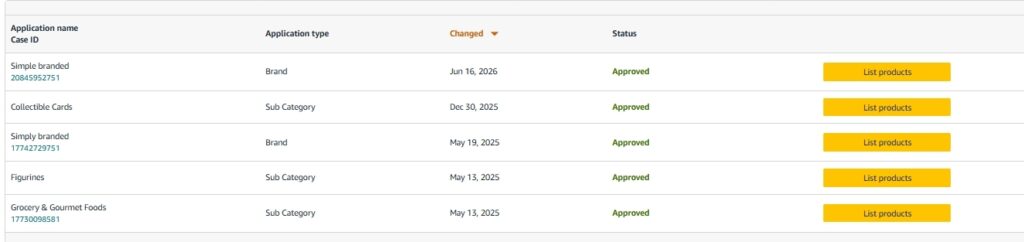
Check eligibility, restrictions, and documentation.
Order within a controlled inventory budget.
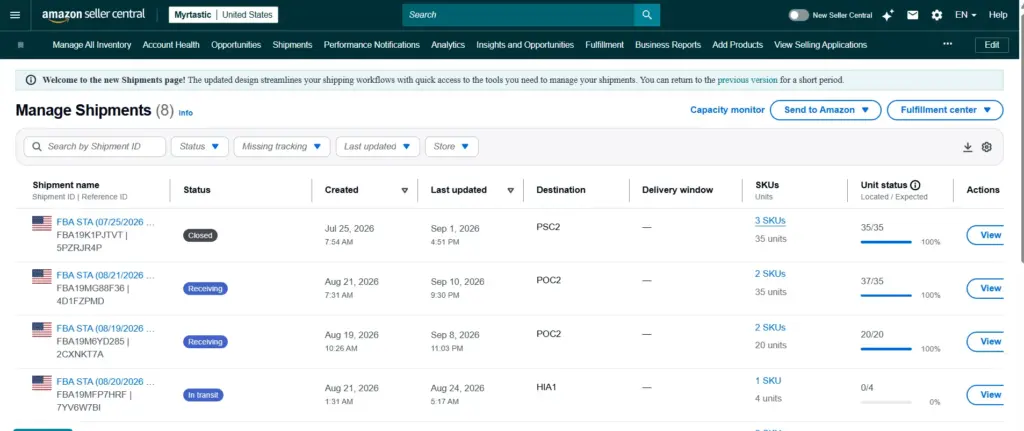
Prepare, label, and send inventory into fulfillment.
Monitor sales, inventory, cash flow, and replenishment.
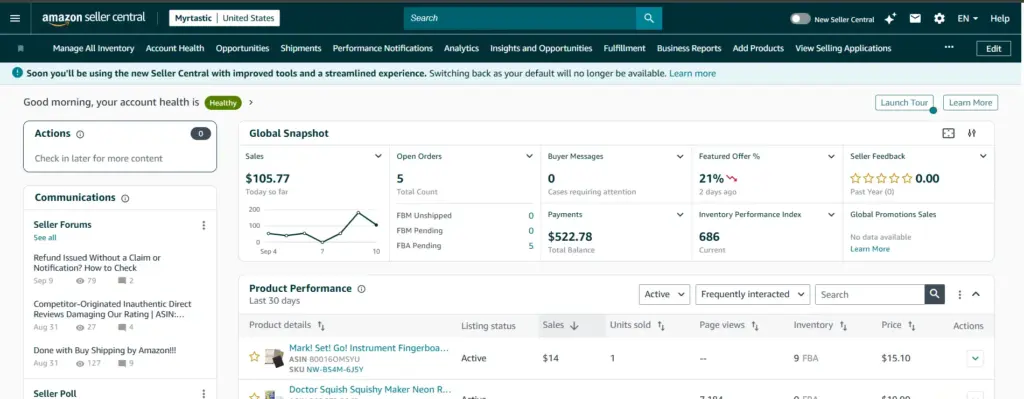
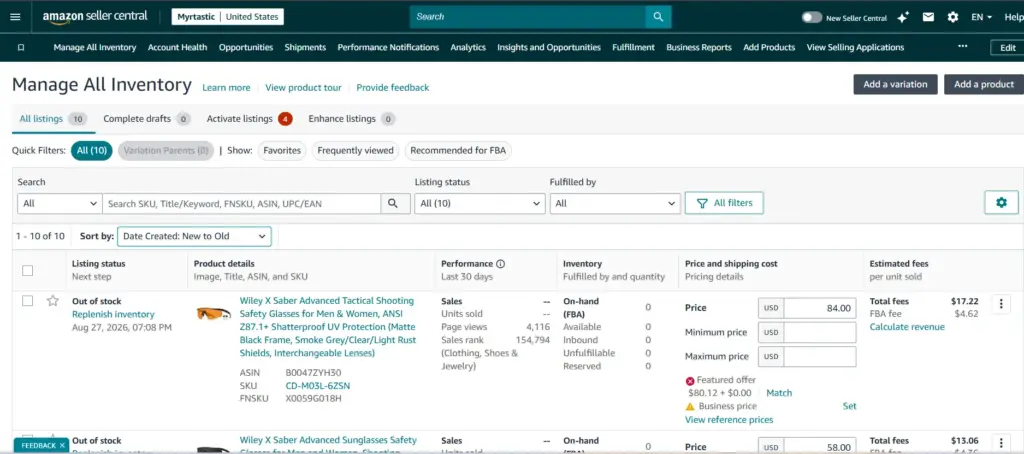
Training should cover the practical areas sellers use to operate their business daily, including product listings, inventory management, orders processing, automated pricing rules, account health metrics, FBA shipment creation, fee structure, performance reports, and seller compliance.
Product research is one of the most important wholesale skills because products should be thoroughly evaluated before inventory is purchased. Strong sales volume alone is not enough.
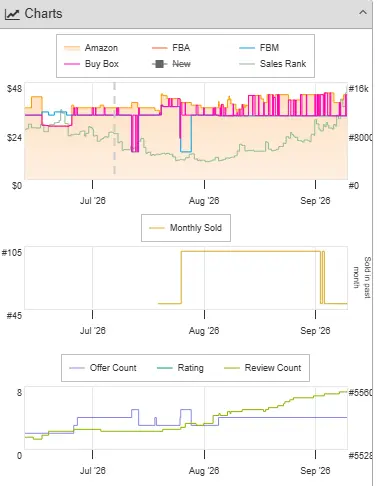
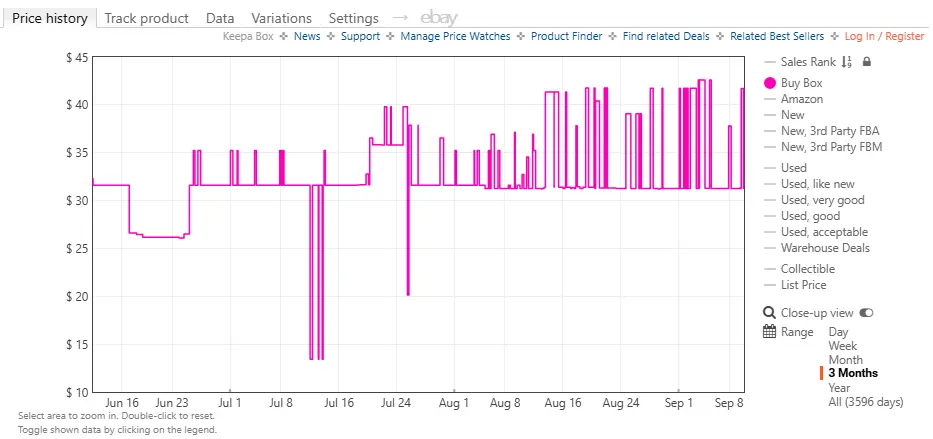
Comprehensive historical charts used to evaluate sales rank, pricing stability, and Buy Box dynamics.
Counterfeit products remain one of the biggest challenges in global eCommerce. Popular brands are frequently targeted because of their high demand and strong brand recognition.
Amazon uses the ungating process to verify that sellers obtain their inventory from legitimate wholesale suppliers or authorized distributors. This additional layer of verification protects both customers and brand owners while helping maintain the integrity of the marketplace.
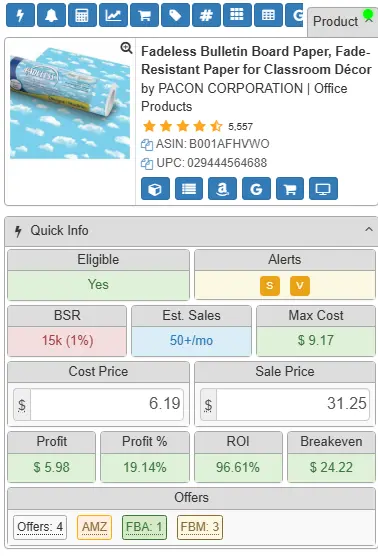
Sales velocity, BSR/sales-rank history, seasonality, estimated monthly sales.
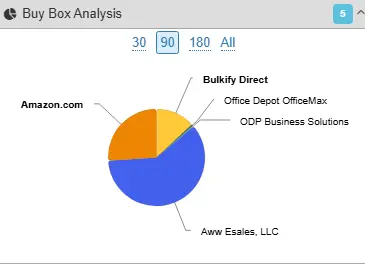
Seller count, FBA sellers, seller stability, Buy Box/Featured Offer competition.
Historical selling price, Buy Box fluctuations, price drops, potential price wars.
Product cost, Amazon fees, inbound shipping/prep, net profit, ROI and margin.
Whether Amazon sells the ASIN and how often Amazon controls the Buy Box.
Brand/category/ASIN restrictions, IP complaints, hazmat or compliance issues.
Stock availability, MOQ, supplier reliability, lead time and ability to reorder profitably.
Size/weight, storage costs, expiry where applicable, slow-moving inventory risk.
Verify the supplier’s company details, physical presence, contact information, and position within the distribution chain.
Confirm which brands they are authorized to distribute and whether they can provide supporting documentation when required.
Review whether invoices include complete business details, product information, quantities, dates, and other documentation Amazon may request.
Evaluate wholesale pricing, MOQ, payment terms, shipping costs, lead times, and available volume discounts.
Check product availability, restocking frequency, lead times, and whether profitable products can be reordered consistently.
Determine whether the supplier works with Amazon sellers, understands marketplace requirements, and can support compliant resale documentation.
Some Amazon categories, brands, or products may have selling restrictions. Sellers should understand how to check eligibility and what documentation may be requested before purchasing significant inventory.
Note: Amazon makes the final decision on marketplace permissions; no legitimate course can guarantee approval for every seller, brand, or category.
There is no universal starting amount for an Amazon wholesale business. Required capital depends on product costs, supplier minimum order quantities (MOQs), shipping, preparation, Amazon fees, inventory strategy, and cash-flow requirements.
For example, if you start with an initial budget of $8,000 to $10,000, your capital allocation should be disciplined:
The Important Rule: Available Capital ≠ Inventory Budget
If you have $7,000 and find 3 good products requiring $6,500 total, buying all three leaves no cash for shipping, fees, or replenishment. A smarter strategy is investing $3,500 across two products, monitoring sales velocity, and keeping reserves ready.
A product can have strong demand and still be a poor investment if the margin disappears after costs. Sellers should calculate the exact unit economics before purchasing inventory.
Actual analysis should also consider applicable returns/refunds, storage fees, removal/disposal fees, inbound shipping placement, preparation, and labeling.
Once inventory is purchased, sellers need to move it into Amazon’s fulfillment network correctly. Operational training should cover product preparation, FN-SKU labeling, shipment creation in Seller Central, master carton packing, carrier tracking, warehouse receiving, and stock monitoring.
Buying inventory is only half the job. Sellers need to decide when to reorder, how much to reorder, when to stop purchasing, and how to handle slow-moving inventory. These decisions should reflect sales data, available cash, supplier lead times, and product economics.
Depending on the product and selling model, costs to account for include:
The key principle is simple: calculate the complete economics before committing capital.
Strong sales do not automatically mean strong profit margins. Example: You sell a product for $50, but after product cost, Amazon fees, and shipping, you make only $5 profit. 👉 High sales ≠ High profit margins.
A product is not viable if the seller cannot obtain the required permission to sell it on Amazon.
Large orders can create unnecessary financial exposure before actual marketplace demand is proven.
Low pricing is not useful if the supplier is unreliable or documentation is inadequate. Example: A supplier offers products at $10, but ships late and provides incomplete invoices. The low price isn’t worth the risk of account suspensions or delays.
Revenue reflects total sales, but it does not show how much profit remains after costs and expenses are deducted. Example: You sell 100 units at $20 each = $2,000 Revenue. If costs total $1,200, your actual profit is only $800, not $2,000.
Amazon competing directly on a listing can materially affect Buy Box share and profit margins.
Today's price does not necessarily represent tomorrow's market during price wars.
A one-time closeout opportunity and a replenishable wholesale brand are very different business models.
Money invested in inventory remains tied up until it is converted back into cash through sales. Example: Spending $5,000 on 500 units ties up your liquid capital. That cash cannot pay operating expenses or fund new opportunities until units actually sell.
An Amazon wholesale course is an investment in your business education. Before choosing a program, evaluate whether it provides a comprehensive wholesale curriculum, practical supplier evaluation methods, ungating guidance, operational training, and ongoing account support.
If you’re comparing different training options, explore our guide to the 10 best Amazon FBA courses for wholesale sellers in 2026 to compare course formats, learning resources, and the type of support available.
Free vs. Paid Training: Amazon Seller University is an excellent free resource for system basics. However, structured paid training adds specialized wholesale sourcing frameworks, practical guidance, case studies, community accountability, and dedicated account support.
Build and grow your Amazon wholesale business with step-by-step training covering product research, supplier sourcing, ungating, purchasing, FBA operations, and long-term growth.
Learn through practical, step-by-step modules designed to guide you through Amazon wholesale.
Learn from an active wholesale supplier and distributor with practical industry experience.
Ask questions, clarify concepts, and get guidance through live question-and-answer sessions.
Learn the process. Apply the strategy. Grow with confidence.
Even after understanding the approval process, many sellers still have questions about Amazon Ungating, documentation requirements, and approval timelines. Below are answers to some of the most common questions sellers ask before applying for approval.
Yes. Amazon FBA wholesale can be accessible to beginners because the model involves purchasing established products from legitimate suppliers and reselling them on Amazon rather than creating a new product or brand from scratch.
However, beginners still need to learn important areas such as product research, supplier sourcing, profitability analysis, Amazon selling policies, inventory management, and cash-flow planning. A structured course can provide a step-by-step framework for learning and applying these processes.
A quality Amazon FBA wholesale course should cover the complete business process rather than focusing only on finding products (see our guide on what to look for before enrolling in a wholesale course). Look for training that covers product research, supplier sourcing, product analysis, selling eligibility, purchasing, FBA, inventory management, and replenishment.
It is also valuable to consider whether the course provides practical examples, current Amazon information, implementation guidance, and ongoing support rather than relying entirely on theoretical lessons. If you're still deciding which program fits your needs, our guide to the top 10 Amazon FBA courses in 2026 provides a broader comparison of available training options.
You can find legitimate wholesale suppliers through directories such as:
A product should be evaluated based on its estimated net profit, not simply its selling price or sales volume. Sellers should consider the product cost, Amazon selling and FBA fees, inbound shipping, preparation costs, expected selling price, competition, and other applicable expenses.
Product research should also consider sales velocity, price history, competition, Amazon's presence on the listing, and inventory turnover before placing a purchase order.
Ungating refers to the process of obtaining approval to sell products, brands, categories, or other listings that have additional selling restrictions on Amazon.
Depending on the specific restriction, Amazon may request documentation such as valid commercial invoices from legitimate suppliers. Requirements can vary, so sellers should check the specific eligibility and documentation requirements shown in Seller Central before purchasing inventory or submitting an application.
There is no single starting-capital requirement that applies to every Amazon FBA wholesale seller (explore our complete Amazon wholesale startup cost breakdown). The amount needed depends on factors such as product costs, supplier minimum order quantities, shipping, FBA preparation, Amazon fees, inventory turnover, and the seller's cash-flow strategy.
New sellers should also avoid putting their entire available budget into inventory. Maintaining a cash reserve can provide flexibility for unexpected costs, additional purchasing opportunities, and future replenishment.
FBA allows Amazon to handle many fulfillment activities, including storing inventory, picking and packing orders, shipping products, tracking deliveries, and handling customer returns and related customer service.
The seller remains responsible for the business side, including supplier relationships, purchasing, pricing, profitability analysis, inventory planning, replenishment, product eligibility, and maintaining good Seller Central account health. FBA simplifies fulfillment, but it does not make the overall wholesale business completely passive.
Upsell Wholesale Seller Academy is built around the Amazon FBA wholesale model and combines education with practical implementation. Upsell Wholesale operates as a U.S.-based wholesale supplier and authorized distributor, giving learners exposure to perspectives from both the supplier and seller sides of the wholesale industry.
The academy also includes 3 months of account management and support, providing additional guidance as new sellers begin applying what they learn to their own Amazon wholesale operations.
For many sellers, yes.
Professional Amazon Ungating Services can help review documentation, identify weaknesses in an application, and reduce common mistakes before submission. While no company can guarantee approval, experienced guidance often saves sellers considerable time and frustration.